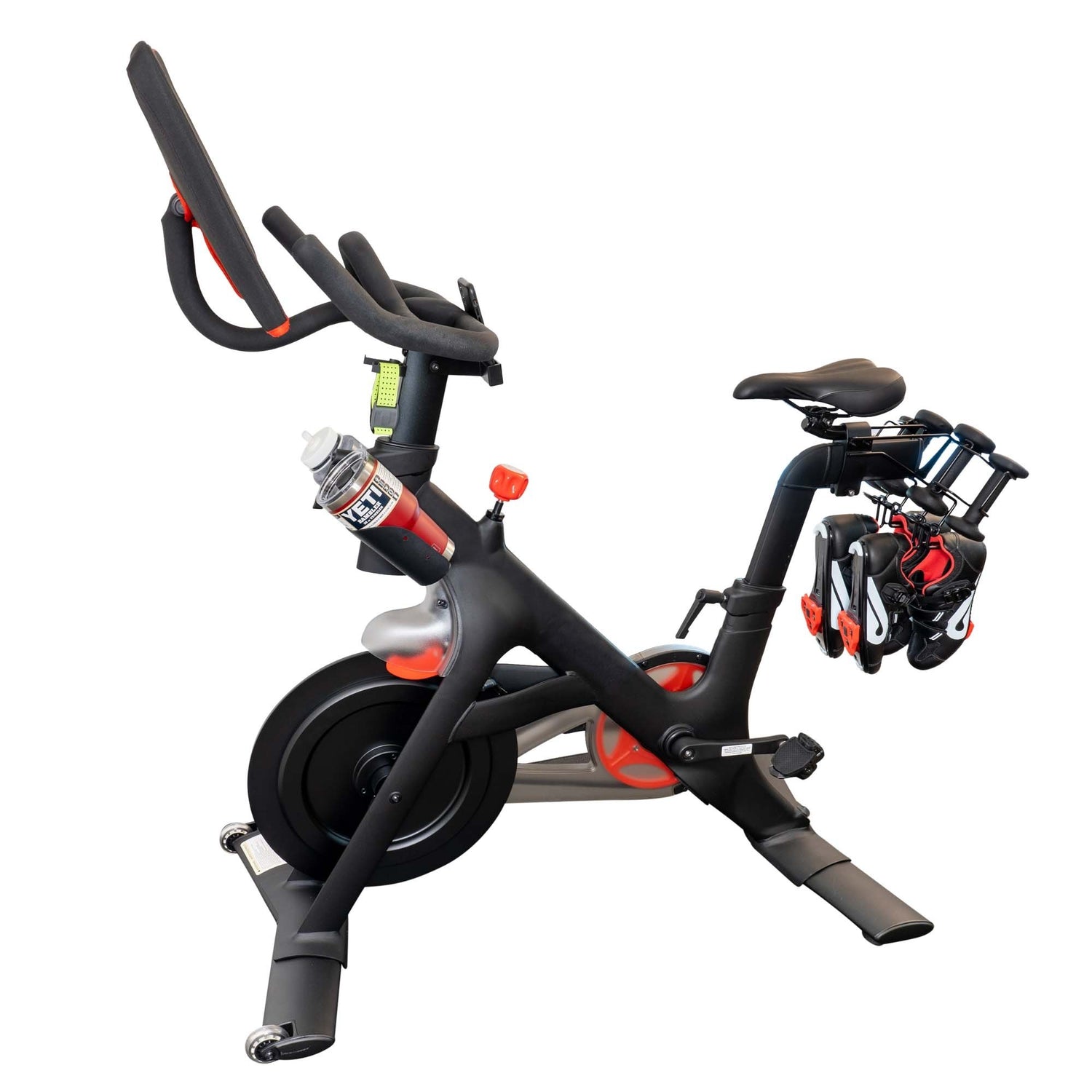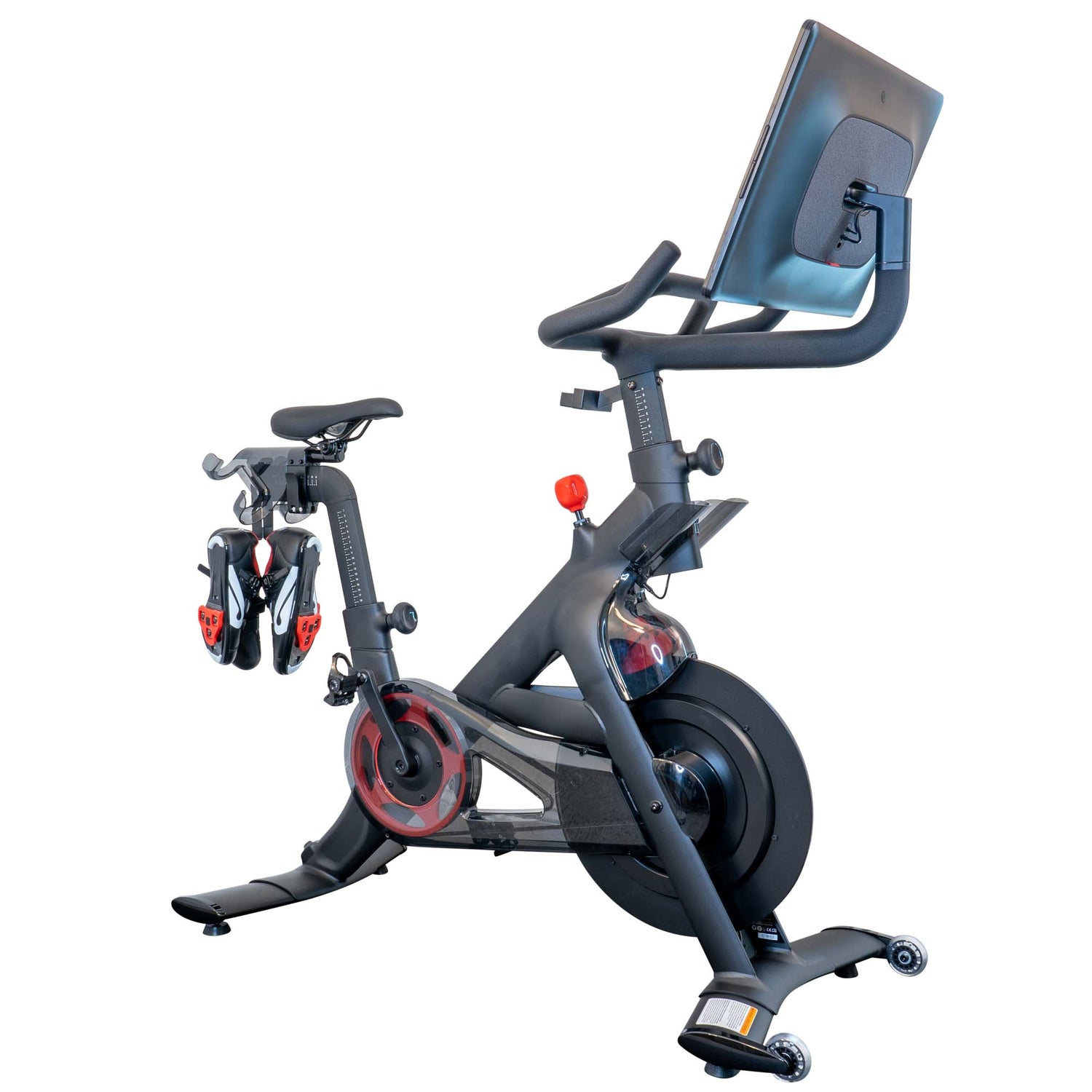
Getting your Peloton set up correctly is one of the easiest ways to improve comfort, performance, and prevent injury. Whether you’re a new rider or hopping back on after a break, a proper setup can make every ride feel smoother and more efficient.
Here’s a simple, step-by-step guide to dialing in your seat height, seat position, handlebars, and riding form.
1. How to Set the Correct Seat Height

Your seat height affects power output, knee comfort, and overall efficiency.
Quick setup check:
-
Stand next to your bike
-
Adjust the seat so it’s roughly hip height
-
When clipped in and pedaling, your leg should have a slight bend at the bottom of the stroke (about 25–35°)
Common mistakes:
-
Seat too low → knee strain and reduced power
-
Seat too high → rocking hips and lower-back discomfort
Tip: If your hips sway side to side while pedaling, your seat is likely too high.
2. Adjusting Seat Forward & Back (Fore/Aft)

Seat position impacts knee alignment and pedaling efficiency.
How to set it:
-
With pedals level (3 and 9 o’clock)
-
Your front knee should stack directly over the ball of your foot
-
Adjust the seat forward or backward until this alignment feels natural
Why it matters:
-
Too far forward → knee pain
-
Too far back → reduced power and discomfort
3. Handlebar Height & Distance

Handlebars should support your posture not strain it.
Handlebar height:
-
Beginners or riders with tight hips/back → set handlebars higher
-
Experienced riders → slightly lower is okay, but comfort comes first
Distance check:
-
You should be able to reach the handlebars without locking your elbows
-
Keep a soft bend in the arms and relaxed shoulders
Rule of thumb: If you feel pressure in your wrists or neck, raise the handlebars.
4. Proper Riding Form on the Peloton

Good form keeps you comfortable and helps you ride longer.
Key form cues:
-
Neutral spine (no rounding or arching)
-
Relaxed shoulders, elbows slightly bent
-
Core engaged, not leaning heavily on handlebars
-
Smooth pedal stroke, push down and pull through
During standing rides:
-
Hips back over the saddle
-
Chest lifted
-
Weight evenly distributed, not dumping into the bars
5. Comfort Upgrades That Make Setup Even Better

Even with perfect adjustments, comfort matters especially for longer rides.
Many riders choose to add:
-
Wide bike seats or seat covers for extra cushioning
-
Toe cages to ride in sneakers and make Bike → Mat workouts easier
-
Accessories that make shared bikes more flexible for couples or families
These small upgrades can make a big difference, especially for newer riders.
Final Thoughts
A properly set up Peloton helps you:
-
Ride longer with less discomfort
-
Improve power and efficiency
-
Reduce the risk of knee, back, and neck pain
If something feels off, don’t ignore it small adjustments go a long way. Take a few minutes to dial in your setup, and your body will thank you every ride.