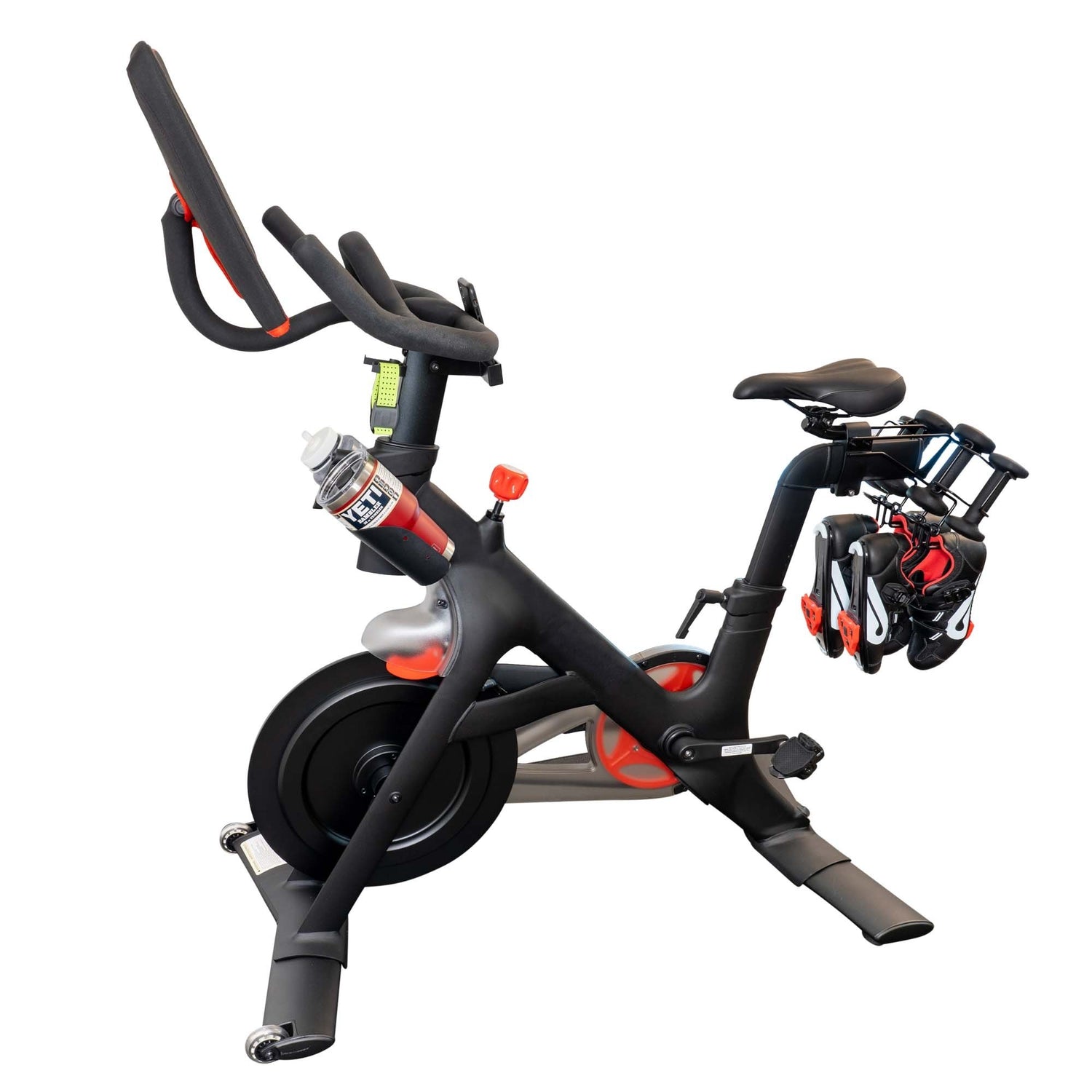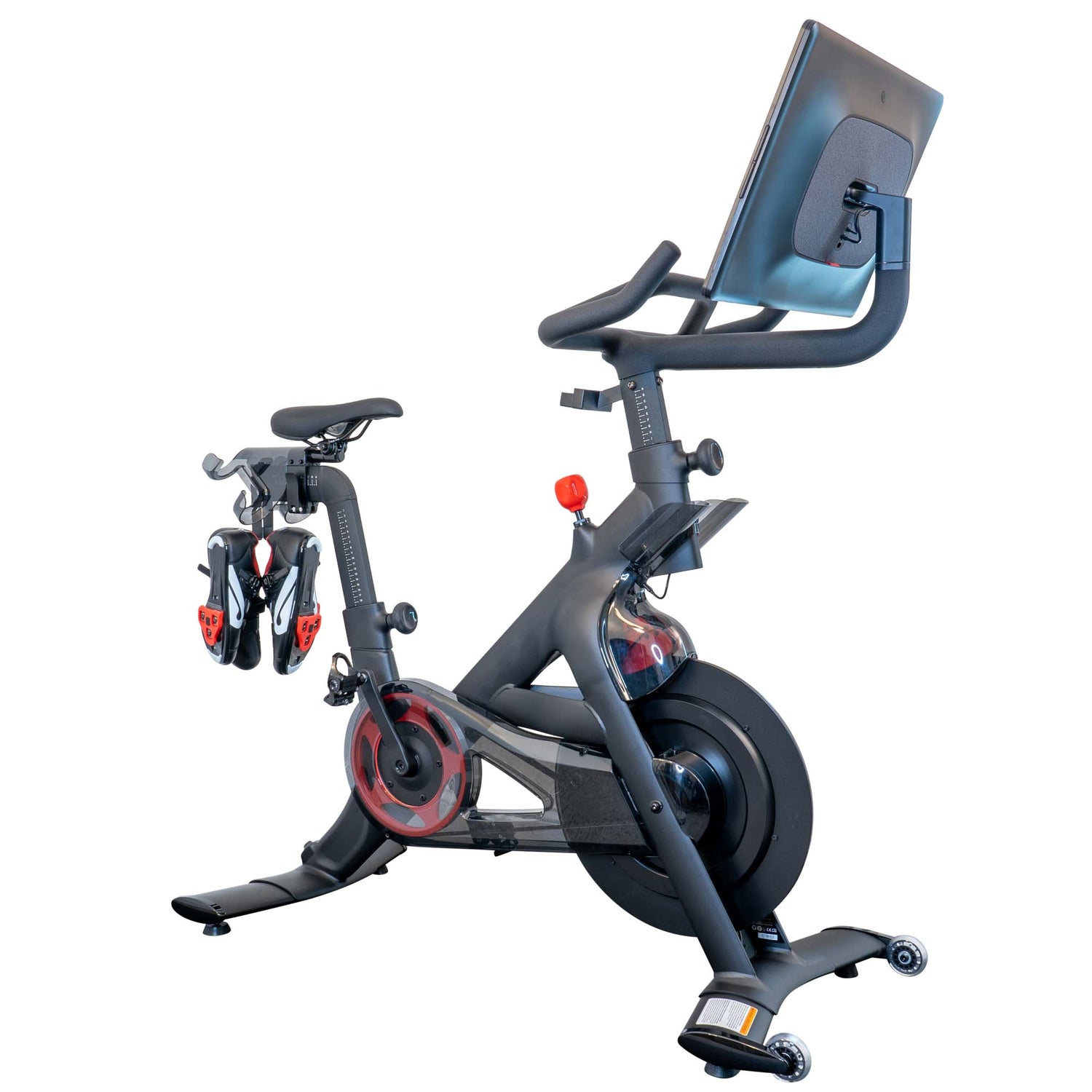
If your Peloton seat hurts, you are definitely not alone. Saddle discomfort is one of the most common issues new riders experience, especially during the first few weeks of riding.
The good news? In many cases, the pain improves once your body adjusts, your bike is set up correctly, and you use the right support for longer or more frequent rides.
Why Does the Peloton Seat Hurt?

Peloton seats can feel uncomfortable for several reasons. Sometimes it is simply because your body is not used to indoor cycling yet. Other times, it may be caused by bike fit, posture, or pressure on the wrong areas.
Here are some of the most common reasons your Peloton seat may hurt:
1. Your Body Is Still Adjusting

If you are new to Peloton or have not ridden in a while, your sit bones may need time to adapt. It is normal to feel sore during the first few rides, especially if you are taking longer classes right away.
Try starting with shorter rides and gradually increasing your time on the bike. Your body may adjust after consistent riding.
2. Your Seat Height May Be Wrong
A seat that is too high or too low can put extra pressure on your hips, thighs, or saddle area.
As a general guide, your knee should have a slight bend at the bottom of the pedal stroke. If your leg is fully straight or your hips rock side to side while pedaling, your seat height may need adjusting.
3. Your Seat Position May Need Adjustment

The seat can also move forward or backward. If it is too far forward, you may feel extra pressure in the front. If it is too far back, you may feel unstable or strain your legs.
A small adjustment can make a big difference. Try moving the seat slightly and test how it feels during a short ride.
4. You May Be Sitting Too Heavily
Indoor cycling is not always about sitting the entire time. During rides, try to keep some weight in your legs and core instead of putting all your weight directly on the seat.
Engaging your core and relaxing your shoulders can help improve your riding posture and reduce discomfort.
5. Your Rides May Be Too Long Too Soon
Going from zero to 30, 45, or 60-minute rides can cause soreness quickly. Even if your fitness level is good, your body still needs time to adjust to saddle pressure.
Start with 10 to 20-minute rides, then build up gradually.
What Can You Try If Your Peloton Seat Hurts?
Here are a few simple ways to make your rides more comfortable:
Adjust Your Bike Fit

Before buying anything, check your seat height, seat depth, and handlebar position. A better setup can help reduce pressure and improve your overall ride.
Make small changes one at a time so you can tell what actually helps.
Wear Padded Bike Shorts
Padded cycling shorts can help reduce friction and pressure, especially during longer rides. They may feel unusual at first, but many riders find them helpful.
Take Breaks During Longer Rides
If you feel discomfort during a ride, stand up for a few seconds when the class allows it. This can relieve pressure and help you finish the ride more comfortably.
Use a Peloton Seat Cover

A cushioned seat cover can add an extra layer of comfort to your Peloton saddle. This is especially helpful if you are a beginner, returning to cycling, or riding more often.
The TrubliFit Peloton Bike Seat Cover is designed to fit securely over your Peloton seat and provide added cushioning without replacing the original saddle. It is an easy upgrade for riders who want a softer, more comfortable ride.
Give Your Body Time

Some soreness in the beginning is normal. However, pain should not be sharp, severe, or getting worse over time. If you feel numbness, intense pain, or discomfort that does not improve, stop riding and consider checking your bike setup or speaking with a professional.
Final Thoughts
If your Peloton seat hurts, it does not mean you are doing anything wrong. Saddle soreness is common, especially for new riders. Start by checking your bike fit, easing into your rides, and improving your posture.
For extra comfort, a padded seat cover can make your rides feel more enjoyable and help you stay consistent with your workouts.
A more comfortable ride can make it easier to show up, clip in, and keep going.